1
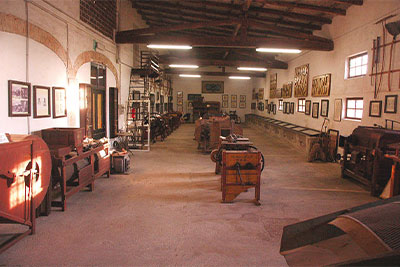
More than 25,000 objects: equipment, furniture, customs and trades from a world that no longer exists, but existed between 1516 and 1918, the year this territory was annexed to Italy. Open every weekday and on holidays from 9 a.m. to 6 p.m. – Closed on Monday. Tikets al bar del ristorante. Tikets at the restaurant bar. Por more info:
2
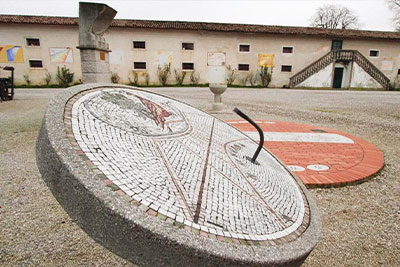
Throughout the town of Aiello and its surroundings, you can lose yourself among the beautiful sundials, from historical to modern. We suggest that you start your visit at the sundial park in the Museum of Rural Civilisation.
3
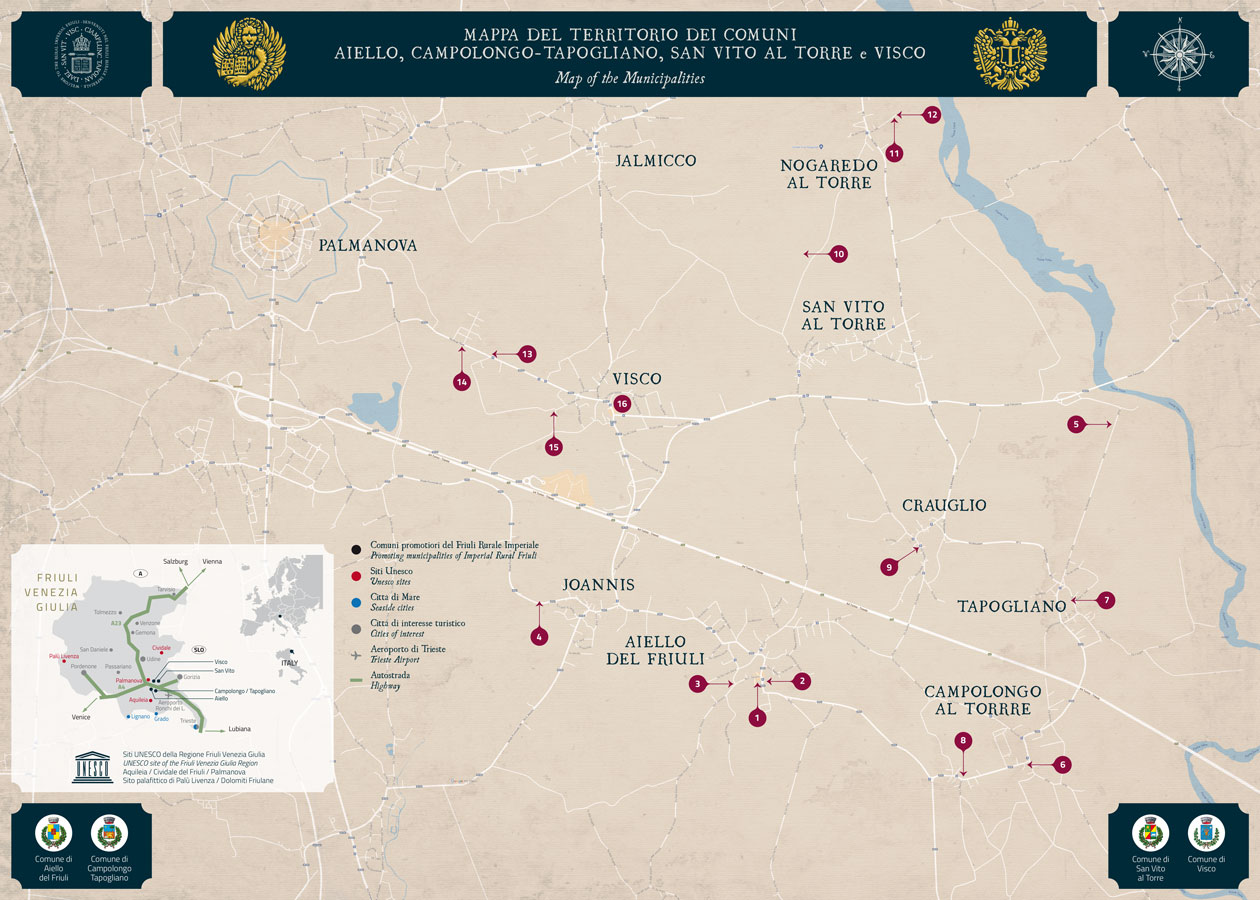
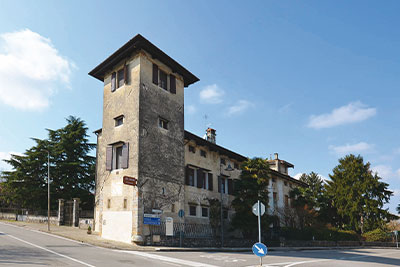
The Tower is what remains of a 16th-century fortress called ‘Il Castello’. It has had many owners and many uses: factory, asylum and field hospital. Today it is a holiday home and those who visit it will have plenty of stories to tell!
4
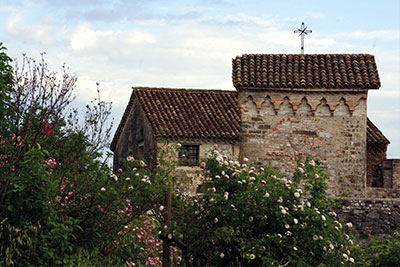
The Centa di Joannis was built in the Middle Ages as a defensive enclosure. It preserves two buildings, the Canipa and the Casa del Curato, typical examples of rural architecture of the period. You can also see the remains of the ancient church of Sant’Agnese with its walled cemetery and the chapel of Santa Lucia, all immersed in the green countryside among the roses.
5
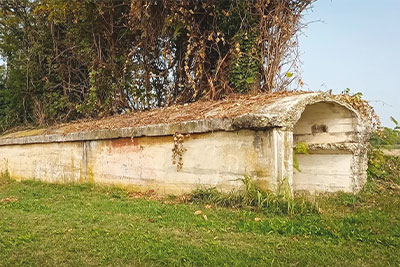
These defensive lines were built by the Italians during the 15/18 war and were abandoned on 24 October 1917 during the retreat of Caporetto. They served as a hospital and storehouses in the rear of the Karst front and were never the scene of combat. Below is a link to locate them.
6
This villa from 1723 is today the seat of the Municipality. It has been the residence of several families: Toppo Wasserman, Antonini, Bisanti, Marcotti, and Chiozza. The journalist Giuseppe Marcotti, one of the first war correspondents, was born here. The villa can be visited on weekdays from 11am to 1pm.
7
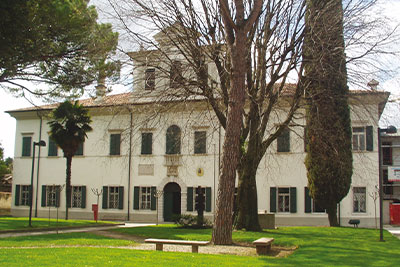
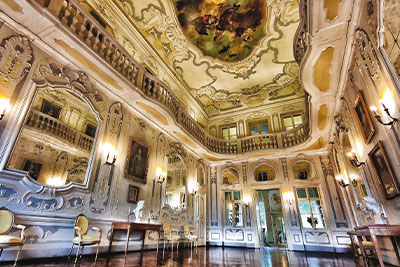
Villa Pace is a jewel waiting to be discovered, where the atmosphere of history can be felt in every room and in the large park. It is still inhabited by the Pace family, who will welcome you and tell you about the many wonders of this 17th century villa.
8
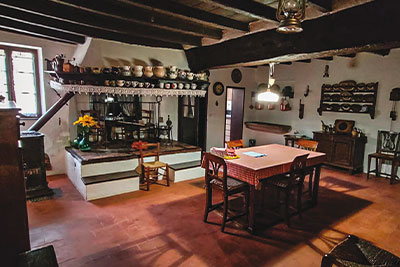
Hidden by a stone arch, close to the church in the hamlet of Cavenzano, is a splendid 18th-century farmhouse with original interiors frozen in time, a true journey through history and tradition. Admire the typical Friulian fireplace called ‘fogolar’.
9
A Venetian residence in the service of the Austrian Empire. Its history dates back to the first decades of the 1600’s and is linked to many battles, it housed a military hospital for English and Indians and the poet Gabriele d’Annunzio stayed there.
10
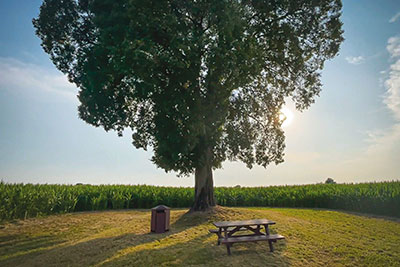
Shortly after leaving San Vito, on Via Palmanova, you will come to a dirt road on the right, and after about 500 metres, on the left, there’s a path leading to a secular hackberry tree. A lovely walk or cycle ride in the open air for those in search of peace and quiet.
11
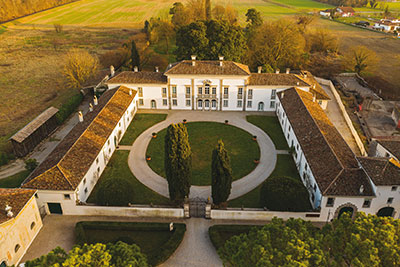
Villa Gorgo is a beautiful Venetian villa dating back to 1755. It is enclosed by lateral barns and surrounded by an enchanting park, introduced by two gigantic magnolias. The villa has hosted illustrious personalities and today serves as a backdrop in various television and film productions.
12
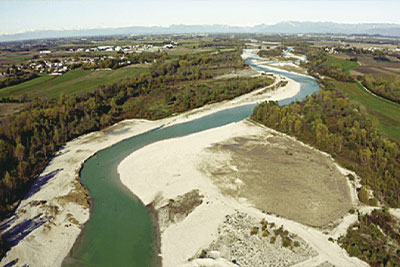
Continuing along the path after Villa Gorgo, immerse yourself in nature with a walk in the creek Torre park. A wild landscape full of life that changes with the seasons. On hot summer days, you can cool off and get a tan.
Continuing along the path after Villa Gorgo
13
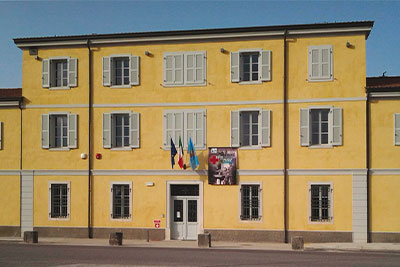
This special museum is located in the former Austrian customs house, a tangible sign of the border between the Kingdom of Italy and the Hapsburg Empire until 1918. It can be visited every first Sunday of the month 10.00-13.00 / 15.00-18.00.
On other days reservations are required.
14
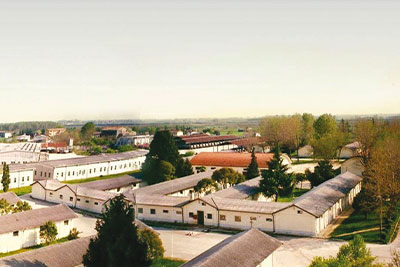
This site, now one of the FAI (Italian heritage fund) “Places of the Heart”, was the scene of great suffering. A military hospital in 15-18, a concentration camp in 1943 and then barracks. These places of remembrance are now part of a major urban regeneration project.
15
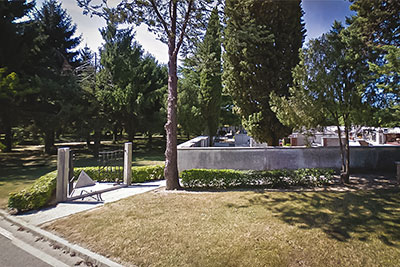
During the First World War, a military cemetery was established, containing more than a thousand bodies of soldiers and civilians, many of whom died from the cholera epidemic that raged in the summer of 1915.
16
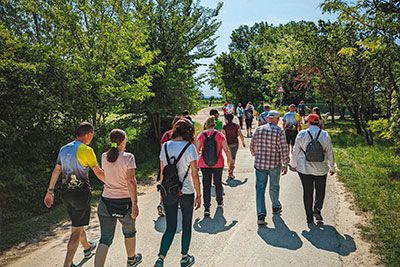
The Cammino Verde or “Cammino del confine” (Boundary Trail) is a circular route on dirt roads that passes through the rural villages of Jalmicco, San Vito al Torre, Visco and Nogaredo al Torre. It is part of the “10.000 passi di salute – FVG in movimento”, a project promoted by the Friuli Venezia Giulia Region.